Top 10 Tips To Support And Advising PAT in Rugby
In the UK, ongoing assistance and guidance is the thing that makes a PAT test service different from a partner in health and safety strategic. While the initial testing event addresses immediate compliance needs, the dynamic nature of workplaces–with constantly changing equipment, staff, and environments–requires continuous guidance to maintain safety standards between formal testing cycles. Electricity at Work Regulations (1989) stipulate that the duty holders maintain electrical equipment. Access to expert advice in between scheduled test is therefore essential to demonstrate the utmost diligence. A high-quality ongoing support system makes a PAT a full safety management system. This includes risk assessment updates along with regulatory alerts and solving problems. This advisory relationship ensures that electrical safety remains a living procedure within an organization, rather than a box-ticking activity, ultimately reducing risk and increasing the security of the safety plan against the scrutiny of regulatory authorities.
1. Single Contact Point and Account Management
Professional PAT companies assign a designated account manager, who is the primary administrative and technical contact for all post-testing queries. The person in charge is acquainted with your account history, risk profile, and the asset register. This eliminates the need to explain context every time you seek advice. The account manager must conduct periodic reviews (annually or bi-annually) to evaluate performance, address concerns and identify any evolving requirements, while ensuring that the service remains aligned with your operational changes and requirements for compliance.
2. Telephone and Email Advisory Services for all technical Queries in Rugby
Between testing cycles, customers must have access immediately to technical assistance in instances like evaluating purchases of new equipment, addressing minor issues, or interpreting manufacturer's instructions. For technical issues, service providers should provide clearly advertised channels for technical support (dedicated phone line or email) and a guaranteed prompt response (e.g. within 2 hours of business). This will allow duty-holders to make informed decisions about safety immediately, which can prevent the use of potentially hazardous gear while waiting for the scheduled test visit.
3. Compliance Change Alerts & Regulatory Update Service in Rugby
Regulatory changes are brought about through HSE updates, IET Codes of Practice changes and court rulings that establish precedents. An extensive ongoing set of support includes a structured update service that informs clients of any pertinent modifications to their PAT system. These could include periodic newsletters, announcements about significant developments, or specific instructions on how certain modifications affect their risk assessments and testing frequency.
4. Online Customer Portal and Digital Asset Management
Modern PAT companies offer online portals that provide 24/7 access to the entire testing environment. This should include the following: downloadable historic certificates, a live asset register of equipment tests, photographic documents, and scheduling for the future testing. The advanced portals permit users to report equipment, log minor incidents, or ask for assistance directly through the system. They provide a central hub of digital documentation and processes for all electrical safety-related management.
5. Tools and User Training Materials in Rugby
Ongoing support extends to helping clients educate their staff. The provider should offer instructional materials, like laminated manuals to assist with basic visual checks, videos for introduction, slides to present, and content for “toolbox talks" that are focused on electrical safety. Some providers offer onsite or online training for dutyholders. They empower the dutyholders to conduct basic user tests.
6. Risk Assessment Review and Adjustment Service
Initial risk assessments are not permanent. Professional providers offer a review service triggered by operational changes: new equipment types, altered working environments, incidents/near-misses, or changes in user competence. The service consists of revising test frequency and testing methods in line with the different risk profiles. Then, it documents the reasons behind any changes. This ensures that the testing procedure remains efficient, proportionate and defensible, potentially extending intervals for low-risk equipment in the context of evidenced-good performance.
7. Audits, HSE, and Insurance Assistance in Rugby
Duty holders will require immediate assistance in the event of external audits, whether they are from the HSE (Health and Safety Executive), insurance companies, or customers. A full, continuous assistance package includes: providing all the relevant documentation, such as certificates as well as calibration records and risk assessments, summarising the testing plan. In certain situations experts from technical expertise is able to attend audit meetings either in person or via video in order to explain and demonstrate technical aspects.
8. Remedial Action Management, Repair Coordination in Rugby
Once the faults have been identified, the support given includes full supervision of the remediation process. This support extends beyond the initial diagnosis to include providing estimates for repairs with minimum disruption; managing off-site repair through accredited workshop; conducting rigorous testing after completion and then changing all documentation to close the loop. This turnkey approach will ensure that issues are resolved instead of just being discovered.
9. Changes to equipment management and updates to the register in Rugby
Organisations constantly acquire, dispose of, or relocate portable devices. Ongoing support includes efficient processes for updating the master asset register in between formal testing cycles. This could include a simple asset registration form and portal upload functions, or even an update process based on notifications from clients. Keeping a current, accurate register is fundamental to compliance, as testing can only be conducted and planned using a complete inventory of assets.
10. Continuous Improvement Analytics and Performance Reporting
The providers of advanced services provide analytic reports on a regular schedule (annually or quarterly) which convert raw data into useful business intelligence. These reports analyze trends, such as failure rates that are based on equipment type and Rugby, the common fault PATterns and the costs of remedial measures, and compare them to industry benchmarks. This analysis helps to support constant improvement by identifying the root cause of failures, such as environmental or user handling issues. It also allows targeted interventions that go in addition to testing for electrical issues. This includes staff training programmes or equipment replacement programs. Check out the recommended Rugby EICR inspections for site info including fire extinguisher service near me, electrical fire, fire extinguisher using, fire extinguisher fire extinguisher, fire extinguisher for electrical fire, extinguisher service, fire extinguisher service near me, extinguisher fire extinguisher, electrical fire, electrical fire and more..

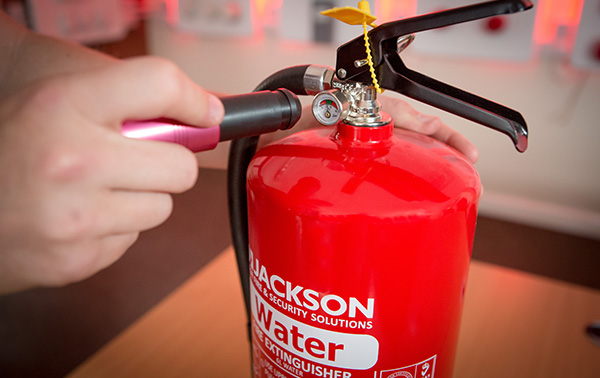
Top 10 Tips For The Range Of Services For Fire Extinguishers Servicing in Rugby
When selecting the best UK service provider to maintain your fire extinguishers you must seek out more than just a service who will perform an annual check. A comprehensive provider offers a wide range of services and is the primary source of contact for all of your fire safety equipment. They will ensure compliance, reduce administrative burden, provide an all-encompassing approach to safety, and offer an integrated service. The services offered can be a great indicator of a company's knowledge, resources and willingness to become a partner over time, as opposed to just being a contractor. It is possible to make educated choices by knowing the various services that are offered. This includes initial risk assessments and installations, regular maintenance and emergency support, as well as end-of-life disposal.
1. Routine maintenance and scheduled servicing: This is our core offering. It is strictly controlled under the BS 5336-3. A full service provider will manage every scheduled interval. This includes monthly visual inspections (often supported by your assistance) and annual maintenance for all extinguishers (which is mandatory), longer-term service testing (discharge) for water models, foam models and powder extinguishers (every five years) and overhauling and testing the pressure of CO2 extinguishers (every 10 years). These visits should be planned ahead of time, and with complete certification provided for each.
2. The appropriate equipment is delivered and set up by a reliable service provider. They do not only provide maintenance, but they also provide advice and the right equipment. This is done by conducting a thorough site survey to determine the number, what size, and what rating extinguishers will be needed. The type of extinguishers required is determined by a fire risk assessment as well the specific hazards within the facility (e.g. Electrical, Class B, C, or A). They will then provide BSI kitemarked or comparable certified equipment, and install it according to BS5306-8 and make sure that the signage is correct and at the right installation heights.
3. Fire Risk Assessment (FRA) A large number of the top servicing companies have assessors with certification who can conduct or review your legally required Fire Risk Assessment. This should be an independent procedure. However, having your extinguisher provider be a part of the FRA or complete it ensures that your equipment is aligned to the identified hazards. This creates a track for auditing from the identification of hazards to measures' implementation.
4. Emergency Callouts and Reactive Services: Equipment is susceptible to being damaged, stolen or discharged accidentally released at any given moment. A reliable business will provide an emergency service to replace equipment, or get it back in service quickly. In this way, your premises won't be unsafe and uncompliant longer than is necessary. This includes replacing damaged or missing equipment.
5. Other fire equipment servicing – Your fire safety plan does not have to be restricted to the use of portable extinguishers. Full-service providers can also provide service and certification for different equipment. This can be done by an easily feasible contract. This covers fire blankets, hose reels and fire alarm systems emergency lighting, as well as dry and wet risers. This approach ensures consistency, simplifies the documentation and can often reduce overall costs.
6. Services for training and education: Only if the people using it know how to use it, will the equipment be efficient. Numerous service providers offer complimentary training services such as fire extinguisher classes (often with live fire simulations) and training for fire wardens and general awareness of fire safety. It empowers your staff while enhancing overall security.
7. The internet and the extensive documentation are a must. The most reputable companies provide more than only certificate on paper. They offer digital service reports with detailed asset registers, as well as websites that allow you to see your complete service history as well as download certificates.
8. Disposal and environmental services: In the context of Duty of Care, the responsibly disposal of extinguishers that are no longer in use is an important legal and environmentally-friendly duty. Full-service providers will manage this employing licensed waste haulers and supplying Waste Transfer Notes to prove correct, legal disposal. The significant fines that can be incurred due to improper disposal are avoided by using a full-service provider.
9. Planned Preventative Maintenance (PPM) and Asset Management: Beyond reactive calls, the best providers provide proactive PPM contracts. They monitor the due dates for maintenance across all types of equipment. They schedule visits automatically and provide you with an up-to-date maintenance schedule. This removes the administrative burden from your shoulders and ensures you never miss a service.
10. Consultancy and Compliance auditing: Expert providers can provide consultation services for sites that are larger or more complex. This can involve conducting a gap analysis of your current fire safety provisions in relation to legal requirements, providing advice on remediation plans as well as continuous compliance audits that provide you with peace of mind that your entire fire safety strategy is robust as well as documented and efficient. See the best Rugby fire extinguisher maintenance for more recommendations including fire extinguisher fire, electrical extinguisher, testing a fire extinguisher, extinguisher company, fire service, fire extinguisher inspections, fire extinguisher service Rugby, extinguisher inspections, fire extinguisher in electrical fire, fire extinguisher inspections and more. More broadly, view the top electrical testing for more.